Yolk Sac Tumor
The yolk sac is a structure that develops in the uterus during early pregnancy. It provides nourishment to the embryo and helps circulate gases between the mother and embryo. It also produces early cells that develop into important structures like blood cells, the umbilical cord, and other organs.

Overview
A yolk sac tumor, also called an endodermal sinus tumor, is a rare and aggressive germ cell cancer that develops from cells that normally become eggs or sperm. It most commonly occurs in the ovaries or testicles, especially in children and young adults.
Although these tumors grow and spread quickly, modern treatments such as surgery and chemotherapy are highly effective, particularly when the cancer is diagnosed early. In rare cases, yolk sac tumors can also develop outside the reproductive organs, including the brain, chest or abdomen.
Risk Factors
Factors We Cannot Control

Young Age
Yolk sac tumors most commonly occur in children, adolescents and young adults.

Germ Cell Abnormalities
The tumor develops from germ cells that normally form eggs or sperm.

Testicular Germ Cell Tumors
Certain germ cell abnormalities in the testicles may increase the risk.

Ovarian Germ Cell Tumors
Yolk sac tumors are one of the malignant ovarian germ cell tumors seen in young females.
Lifestyle & Health Factors

No Proven Lifestyle Risk Factors
There are currently no known lifestyle or environmental factors proven to cause yolk sac tumors.
Symptoms
1. Abdominal Swelling or Mass
A growing lump or swelling in the abdomen may be the first noticeable symptom.

2. Abdominal or Pelvic Pain
Pain or discomfort may occur as the tumor enlarges.

3. Painless Testicular Lump
A firm, painless lump in a testicle is a common symptom in males.

4. Irregular Menstrual Bleeding
Females with ovarian tumors may experience abnormal menstrual bleeding.

5. Changes in Bowel Habits
Large tumors may press on nearby organs, causing constipation or bowel changes.

6. Back Pain
Tumors may cause persistent lower back or pelvic pain as they grow.

Diagnosis
1. Physical Examination
A healthcare provider checks for lumps, swelling or other abnormal findings.

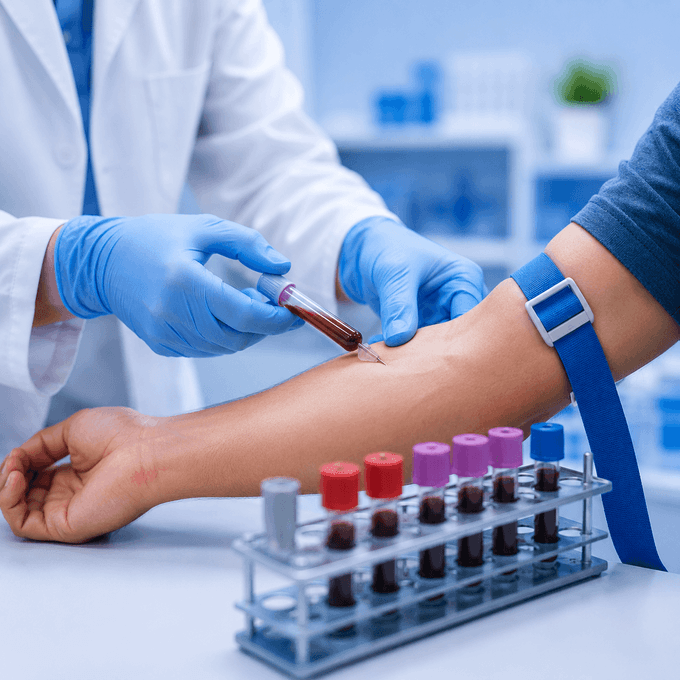
2. Blood Tests (AFP)
High alpha-fetoprotein (AFP) levels strongly suggest a yolk sac tumor.
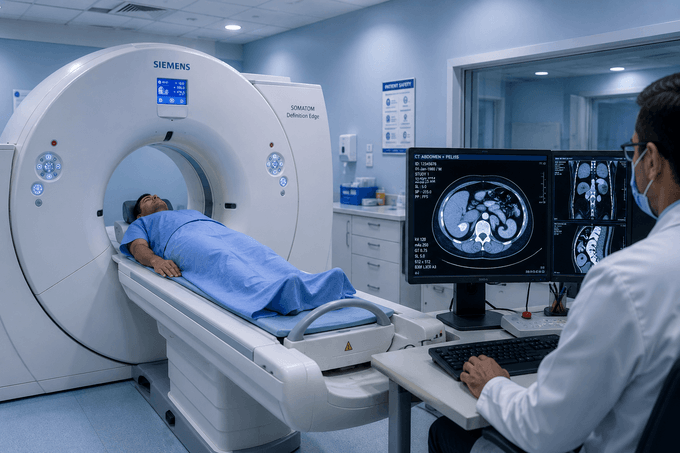
3. CT Scan or MRI
Imaging helps determine the tumor's size, location and whether it has spread.
4. Ultrasound
Ultrasound is commonly used to evaluate ovarian or testicular masses.

5. Surgical Removal and Biopsy
The tumor is removed and examined under a microscope to confirm the diagnosis.

Treatments
1. Surgery
Surgery removes the tumor and, when necessary, the affected ovary or testicle.

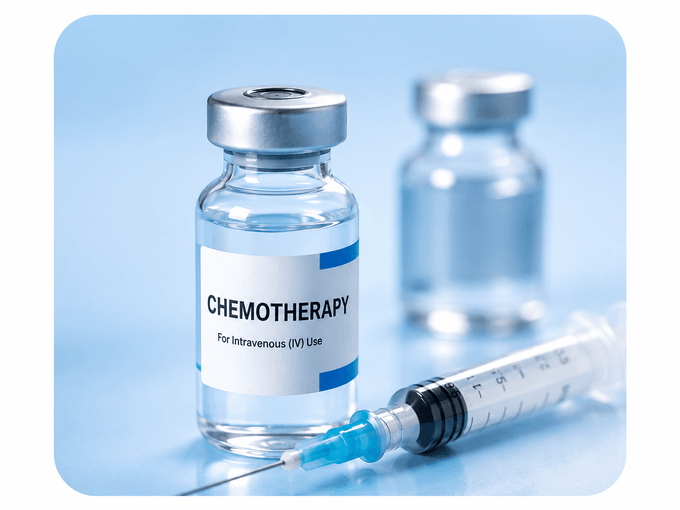
2. Chemotherapy
Combination chemotherapy, commonly the BEP regimen, is the standard treatment for most patients.
3. Follow-Up Monitoring
Regular blood tests measuring AFP and imaging scans help detect recurrence early.
4. Supportive Care
Supportive care helps manage treatment side effects and improve quality of life during recovery.