Endometrial Cancer
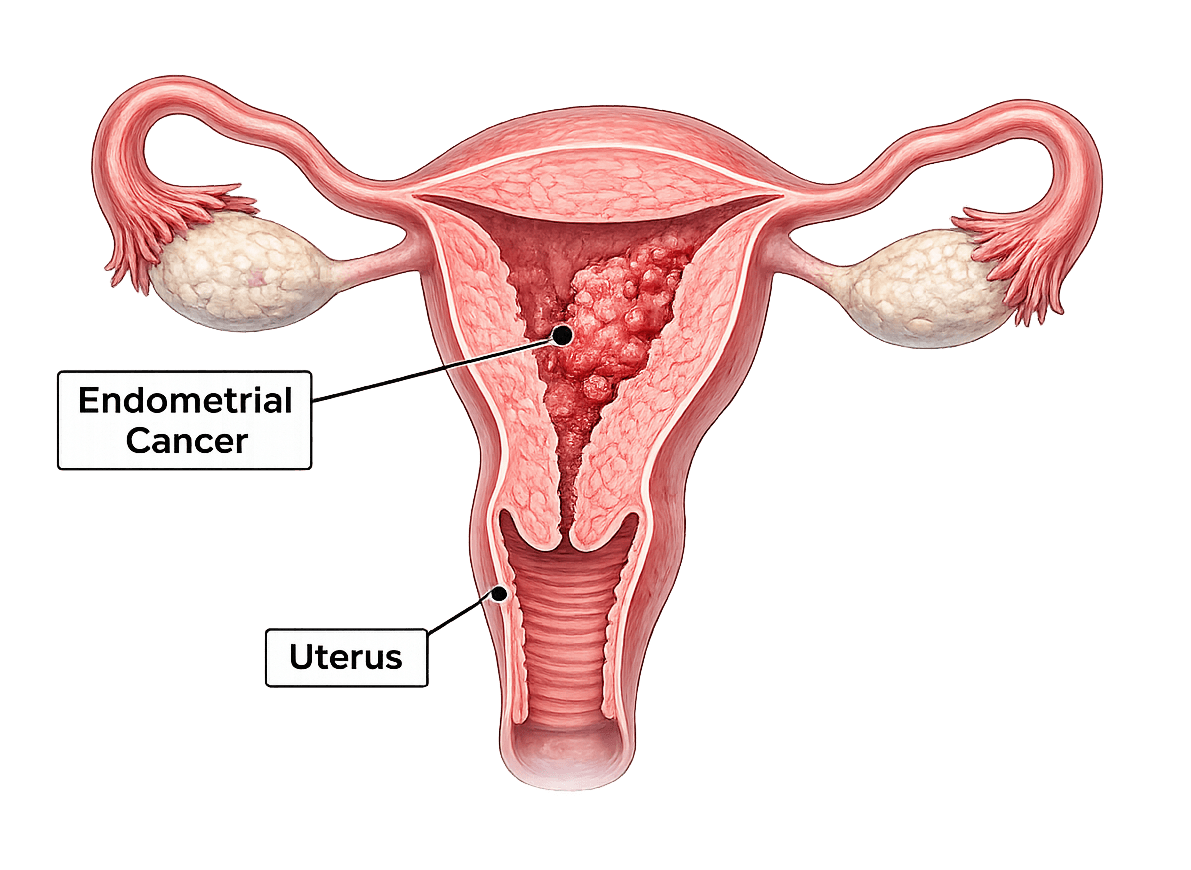
The endometrium, also known as the uterine lining, plays an important role in reproduction by providing a place for a fertilized egg to implant. It is also the tissue that is shed during menstruation.
Overview
Endometrial cancer develops in the endometrium, the inner lining of the uterus. It is the most common type of uterine cancer and occurs when cells in the endometrium grow uncontrollably and form a tumor. Healthcare providers often use the terms uterine cancer and endometrial cancer interchangeably because most uterine cancers begin in the endometrium.
This cancer most commonly affects people after menopause, although it can occur earlier in some cases. Abnormal vaginal bleeding is often one of the earliest signs, which may help lead to diagnosis before the cancer spreads. When detected early, treatment can be highly effective and may offer a strong chance of successful outcomes.
Risk Factors
Factors We Cannot Control

Age
Endometrial cancer is more common in people who have gone through menopause.

Early or Late Menstruation History
Starting periods before age 12 or going through menopause later may increase risk because of longer estrogen exposure.

Lynch Syndrome
Lynch syndrome is an inherited condition that increases the risk of several cancers, including endometrial cancer.

Never Being Pregnant
People who have never been pregnant may have a higher risk of endometrial cancer.
Lifestyle & Health Factors

Obesity
Obesity can increase estrogen levels and raise the risk of endometrial cancer.
Hormone Therapy
Taking estrogen without progesterone after menopause may increase risk.

High-Fat Diet
A high-fat diet may increase the risk of endometrial cancer.
Symptoms
1. Bleeding After Menopause
Vaginal bleeding after menopause is a common symptom and should be checked by a healthcare provider.

2. Bleeding Between Periods
Bleeding between menstrual periods may be a warning sign.

3. Heavy or Long Periods
Periods that are heavier or longer than usual may occur.

4. Watery or Blood-Tinged Discharge
A watery or blood-tinged vaginal discharge may be present.

5. Pelvic Pain
Pain in the pelvis may occur in some people.

Diagnosis
1. Pelvic Exam
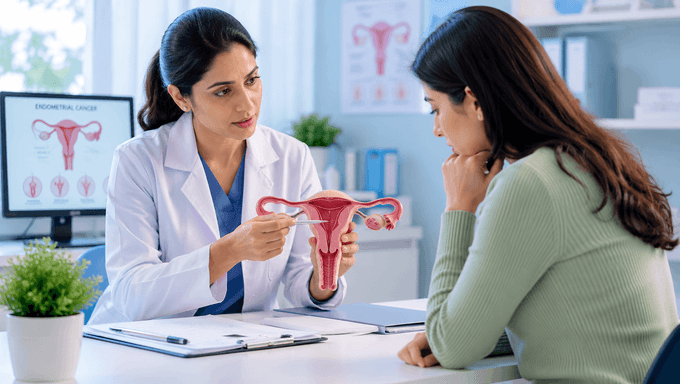
A healthcare provider may perform a pelvic exam to check the uterus, vagina and nearby structures.
2. Transvaginal Ultrasound
This ultrasound uses a wand placed in the vagina to look at the uterus and measure the endometrium.

3. Endometrial Biopsy
A small sample of tissue from the uterine lining may be removed and checked for cancer cells.

4. Hysteroscopy
A thin lighted tube may be used to look inside the uterus.

5. Dilation and Curettage
This procedure removes tissue from the uterine lining so it can be examined in a lab.

Treatments
1. Surgery
Surgery is the most common treatment for endometrial cancer.

2. Radiation Therapy
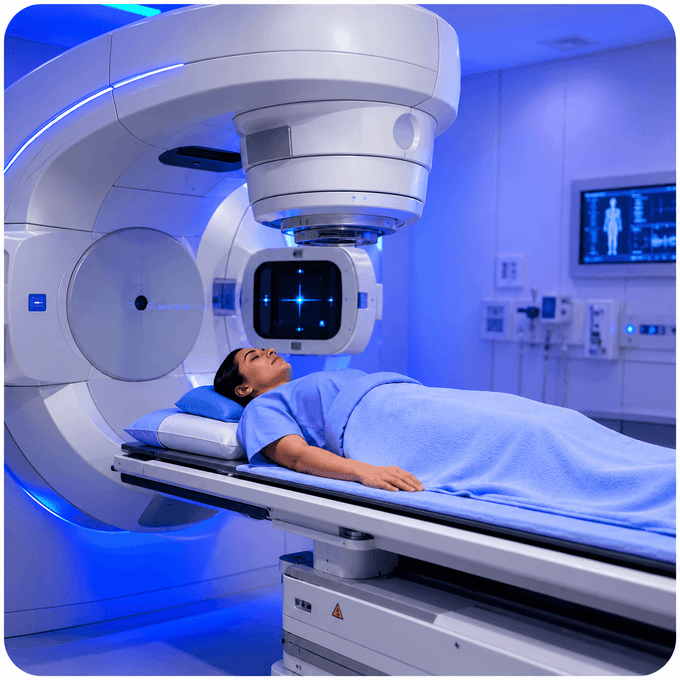
Radiation therapy uses targeted energy to destroy cancer cells.
3. Chemotherapy
Chemotherapy uses medicines to kill cancer cells.

4. Hormone Therapy
Hormone therapy may slow the growth of some endometrial cancers.

5. Immunotherapy
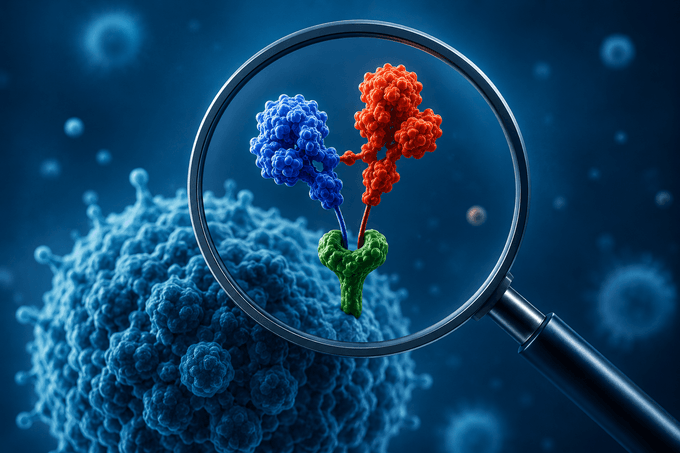
Immunotherapy helps the immune system recognize and attack cancer cells.

6. Targeted Therapy
Targeted therapy uses medicines that target specific cancer cell features.
Articles & Educational Guides
In-depth medical articles, patient perspectives, and treatment guides related to Endometrial Cancer.
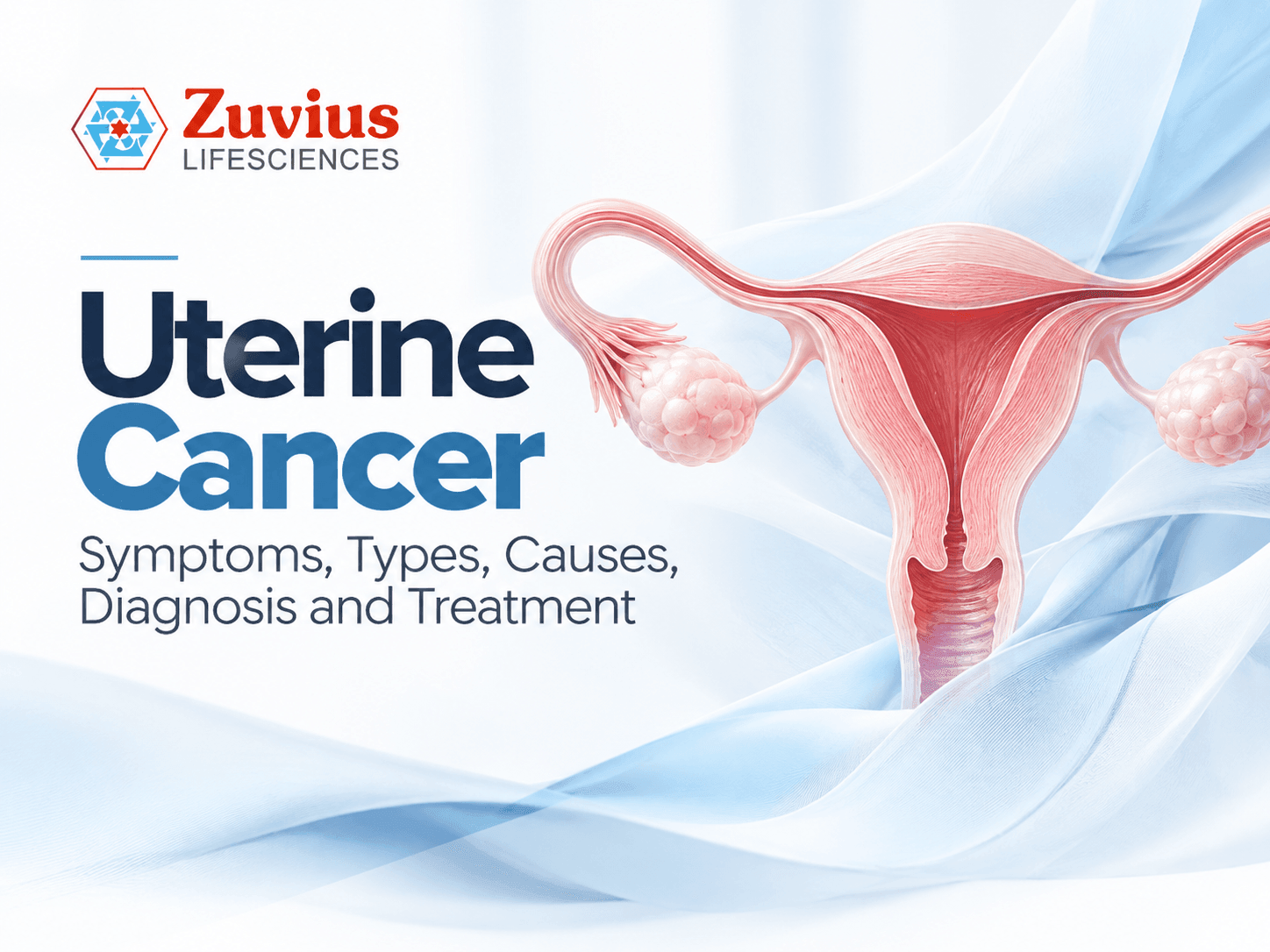
Uterine Cancer: Symptoms, Types, Causes, Diagnosis and Treatment
Uterine cancer occurs when abnormal cells develop in the uterus and multiply uncontrollably. It generally includes two main types: endometrial cancer and uterine sarcoma.