Sarcoma
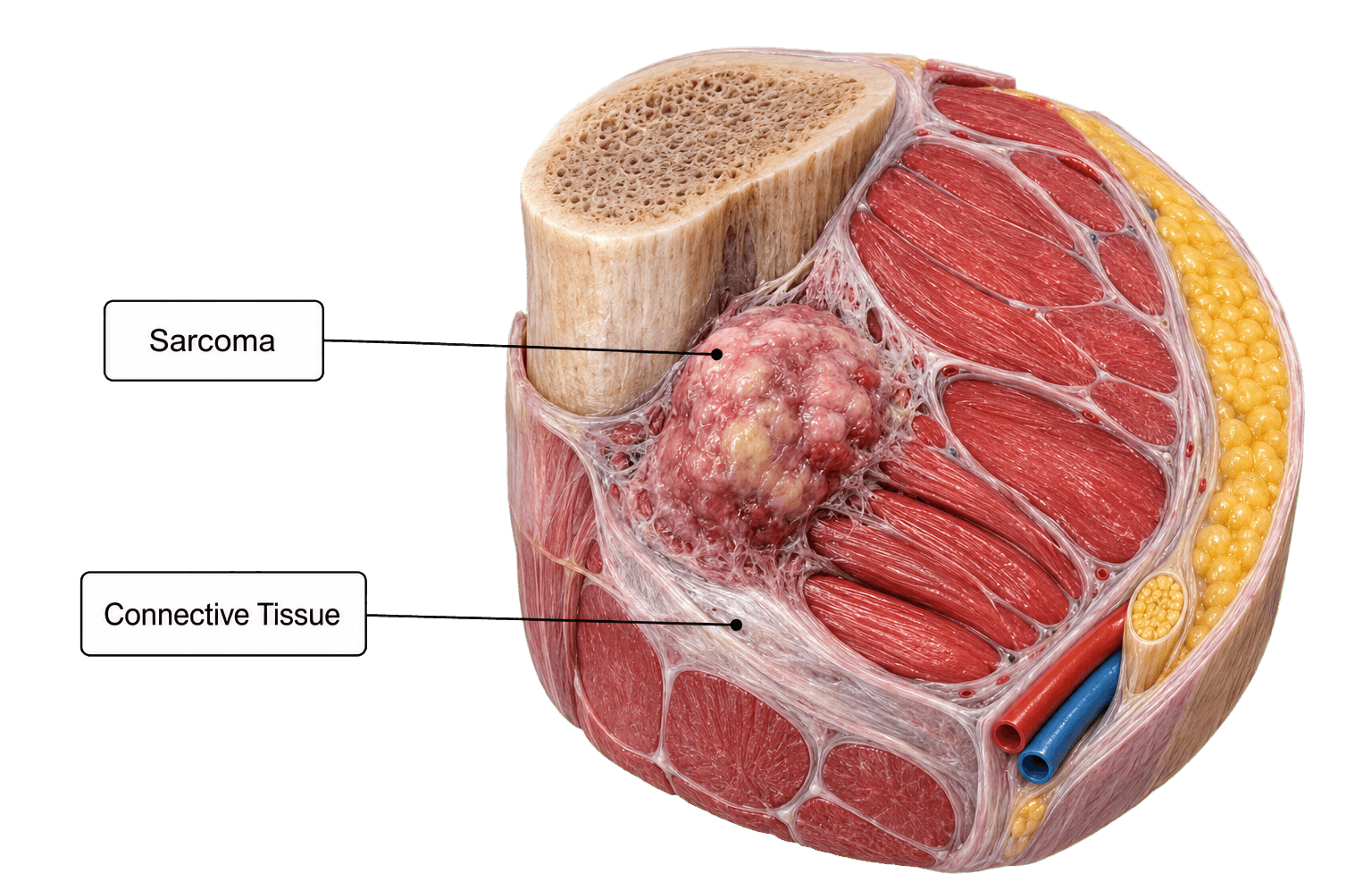
Sarcoma is a rare type of malignant (cancerous) tumor that develops in the bones or connective tissues, including fat, muscles, blood vessels, nerves, and the tissues surrounding bones and joints. Connective tissues provide support and structure, helping different parts of the body work together.
Overview
Sarcoma is a rare type of cancer that develops in bones or soft connective tissues such as muscles, fat, tendons, cartilage, blood vessels and nerves. It can occur almost anywhere in the body, although it most commonly affects the arms, legs, chest, abdomen and pelvis.
There are more than 70 different types of sarcoma. Treatment depends on the type, location and stage of the tumor and may include surgery, radiation therapy, chemotherapy, targeted therapy or immunotherapy. Early diagnosis and treatment improve the chances of successful outcomes.
Risk Factors
Factors We Cannot Control

Inherited Genetic Disorders
Certain inherited conditions, such as Li-Fraumeni syndrome, neurofibromatosis type 1 and Gardner syndrome, increase the risk of sarcoma.
Previous Radiation Therapy
Receiving high-dose radiation treatment for another cancer may increase the risk of developing sarcoma years later.
Exposure to Certain Chemicals
Long-term exposure to chemicals such as vinyl chloride, arsenic and some herbicides may increase the risk.
Lifestyle & Health Factors

No Proven Lifestyle Cause
Most sarcomas are not linked to lifestyle habits, and many develop without any identifiable cause.
Symptoms
1. Painless Lump
A new lump or swelling under the skin is one of the most common signs of soft tissue sarcoma.

2. Persistent Bone Pain
Bone sarcomas often cause pain that becomes worse over time or at night.

3. Swelling
Swelling may occur around the affected bone or soft tissue, sometimes without pain.

4. Limited Movement
A growing tumor near a joint or muscle may reduce movement or cause a limp.

5. Abdominal Pain
Sarcomas developing in the abdomen or pelvis may cause pain, fullness or digestive symptoms.

6. Unexplained Weight Loss
Some people experience unintended weight loss or general fatigue as the disease progresses.

Diagnosis
1. Physical Examination
Your healthcare provider evaluates the lump, swelling or painful area and reviews your medical history.

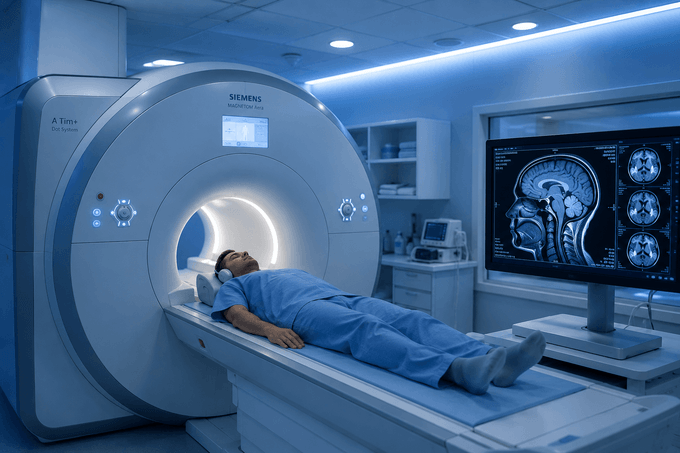
2. MRI or CT Scan
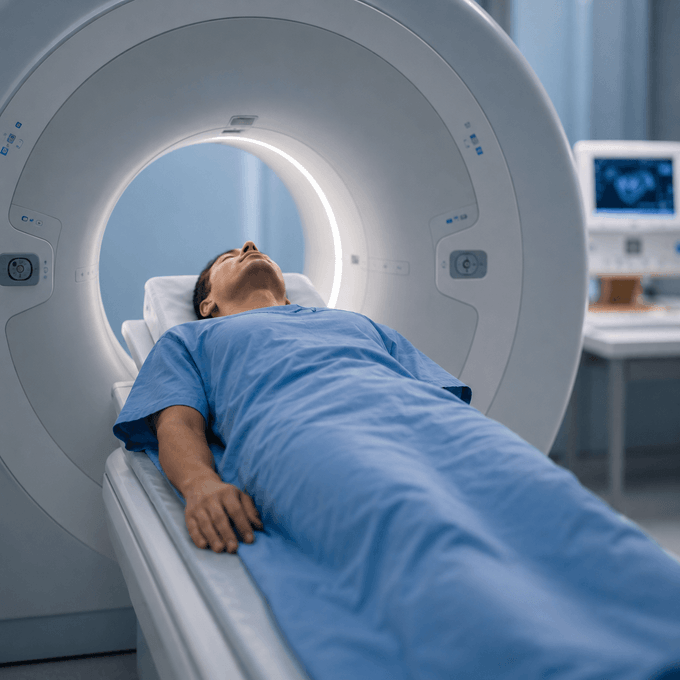
Imaging helps determine the tumor's size, location and involvement of nearby structures.
3. PET Scan
A PET scan helps determine whether the cancer has spread to other parts of the body.
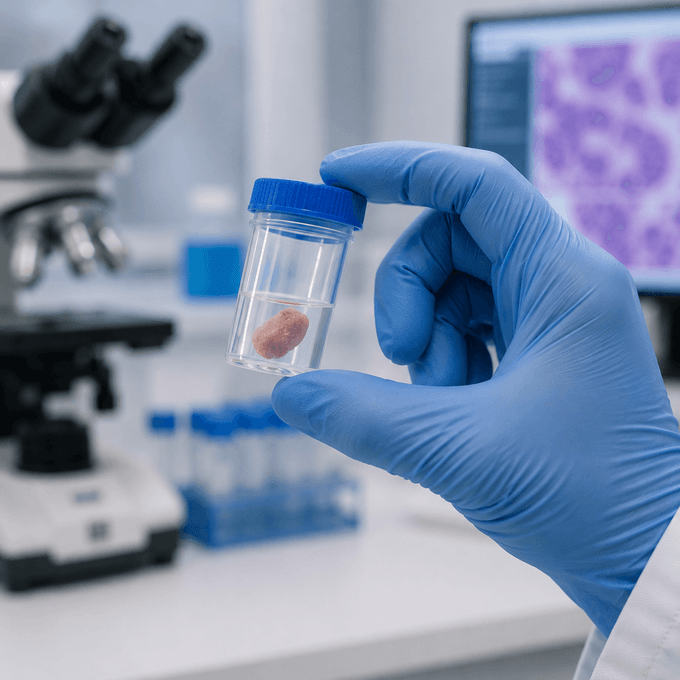
4. Biopsy
Removing a tissue sample confirms the diagnosis and identifies the specific type of sarcoma.
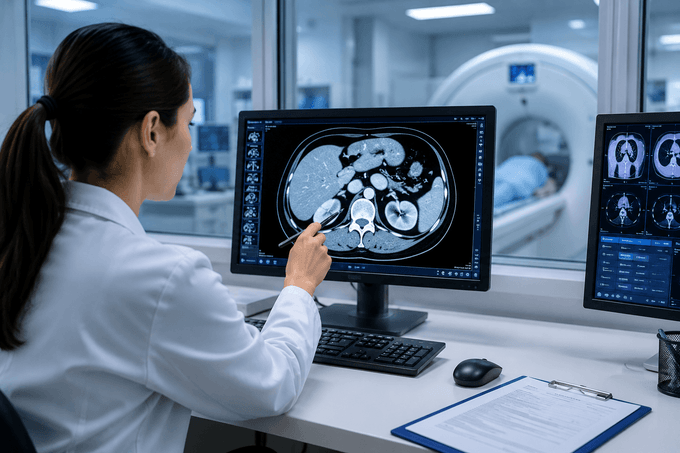
5. Bone Scan
A bone scan may be performed when bone sarcoma or spread to bones is suspected.
Treatments
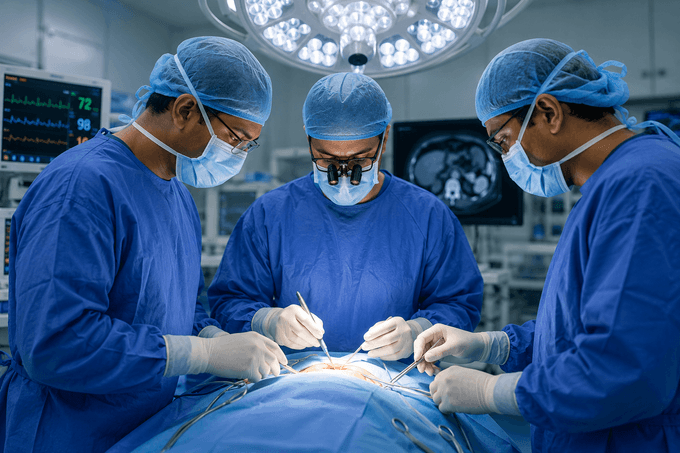
1. Surgery
Surgery is the primary treatment and aims to remove the entire tumor while preserving as much healthy tissue as possible.
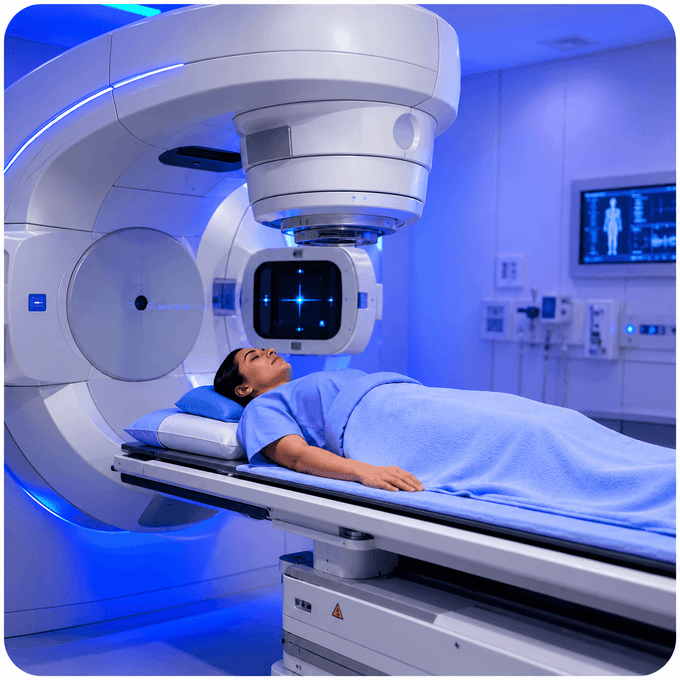
2. Radiation Therapy
Radiation therapy uses high-energy beams to destroy cancer cells before or after surgery.
3. Chemotherapy
Chemotherapy may be used before surgery, after surgery or for advanced sarcoma depending on the subtype.

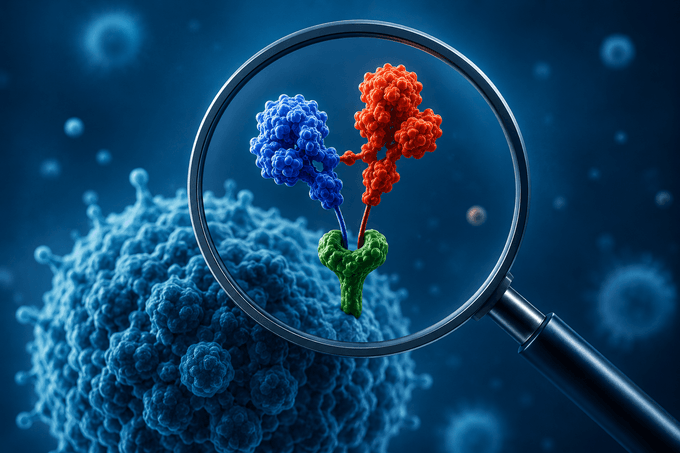
4. Targeted Therapy or Immunotherapy
Certain sarcoma types may respond to targeted medicines or immunotherapy that attack cancer cells more precisely.
Articles & Educational Guides
In-depth medical articles, patient perspectives, and treatment guides related to Sarcoma.
Uterine Cancer: Symptoms, Types, Causes, Diagnosis and Treatment
Uterine cancer occurs when abnormal cells develop in the uterus and multiply uncontrollably. It generally includes two main types: endometrial cancer and uterine sarcoma.