Uterine Cancer
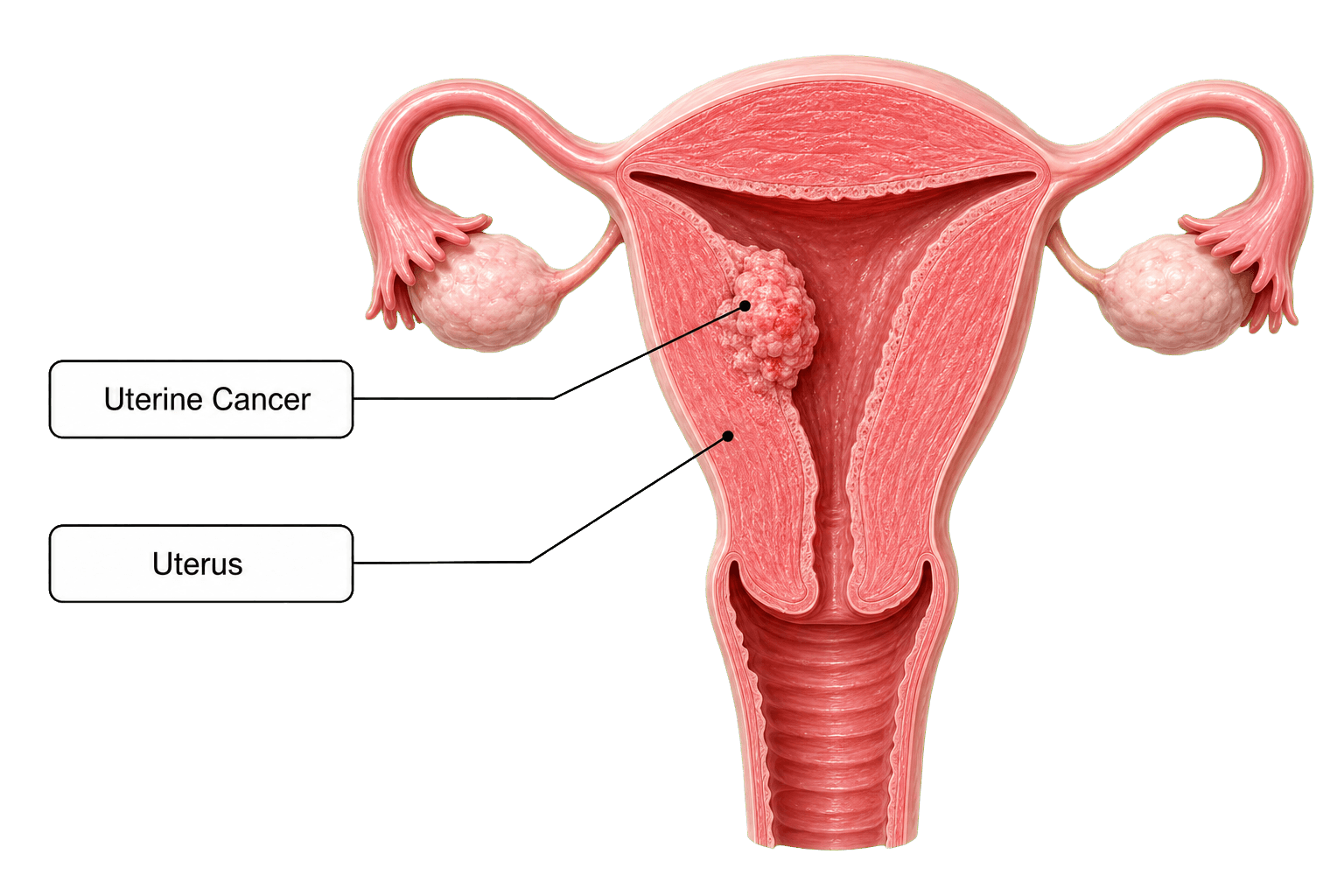
Your uterus is a hollow, muscular, pear-shaped organ in the female reproductive system located between the bladder and rectum. It plays a key role in menstruation, fertility, and pregnancy by supporting implantation and the growth of a fetus. The uterine lining, called the endometrium, is shed during menstruation.
Overview
Uterine cancer is a general term for cancers that develop in the uterus. Most cases are endometrial cancer, which begins in the inner lining of the uterus (endometrium), while a much smaller number are uterine sarcomas that develop in the muscle or connective tissue of the uterus. Endometrial cancer accounts for about 95% of all uterine cancers. :contentReference[oaicite:0]{index=0}
Uterine cancer most often develops after menopause, although it can occur earlier. Abnormal vaginal bleeding is the most common warning sign and often leads to an early diagnosis. Treatment depends on the cancer type, stage and overall health, with surgery being the most common treatment. :contentReference[oaicite:1]{index=1}
Risk Factors
Factors We Cannot Control

Age Over 50
Most uterine cancers develop after menopause, and the risk increases with age.

Lynch Syndrome
People with Lynch syndrome have a significantly higher risk of developing uterine cancer.

Lifetime Estrogen Exposure
Early menstruation, late menopause or never becoming pregnant increase lifetime exposure to estrogen.
Previous Pelvic Radiation
Radiation therapy to the pelvis for another cancer can increase the risk of uterine cancer.
Lifestyle & Health Factors

Obesity
Excess body fat increases estrogen levels and is one of the strongest risk factors for uterine cancer.

Diabetes
People with diabetes have a higher likelihood of developing uterine cancer.

Estrogen Therapy Without Progesterone
Using estrogen replacement therapy alone after menopause increases the risk.
Symptoms
1. Abnormal Vaginal Bleeding
Bleeding between periods or any bleeding after menopause is the most common symptom.

2. Pelvic Pain or Cramping
Persistent pain or cramping in the lower abdomen or pelvis may occur.

3. Heavy or Prolonged Periods
Menstrual bleeding that is heavier, longer or more frequent than usual should be evaluated.

Diagnosis
1. Pelvic Examination
A healthcare provider performs a pelvic examination and reviews symptoms and medical history.

2. Endometrial Biopsy
A small sample of the uterine lining is removed and examined to confirm cancer.

3. Transvaginal Ultrasound
Ultrasound helps evaluate the thickness of the uterine lining and detect abnormalities.

4. Hysteroscopy or Dilation & Curettage
These procedures allow healthcare providers to examine and collect tissue from inside the uterus.

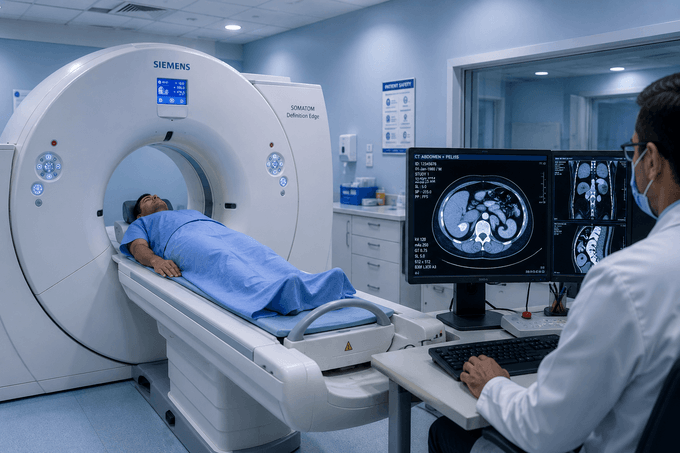
5. CT or MRI Scan
Imaging tests help determine whether the cancer has spread beyond the uterus.
Treatments
1. Surgery
A hysterectomy, often with removal of the ovaries, fallopian tubes and nearby lymph nodes, is the primary treatment.

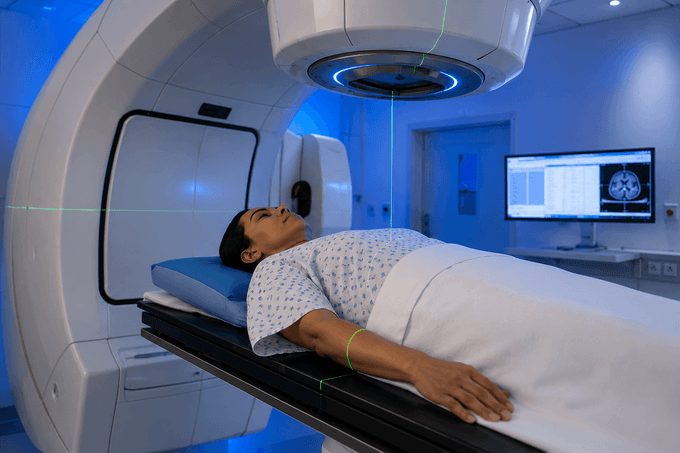
2. Radiation Therapy
Radiation uses high-energy beams to destroy remaining cancer cells or reduce recurrence risk.
3. Chemotherapy
Chemotherapy may be recommended for advanced or recurrent uterine cancer.

4. Immunotherapy
Immunotherapy helps the immune system recognize and attack cancer cells in selected cases.

5. Targeted Therapy
Targeted medicines attack specific features of cancer cells while limiting damage to healthy tissue.
Articles & Educational Guides
In-depth medical articles, patient perspectives, and treatment guides related to Uterine Cancer.
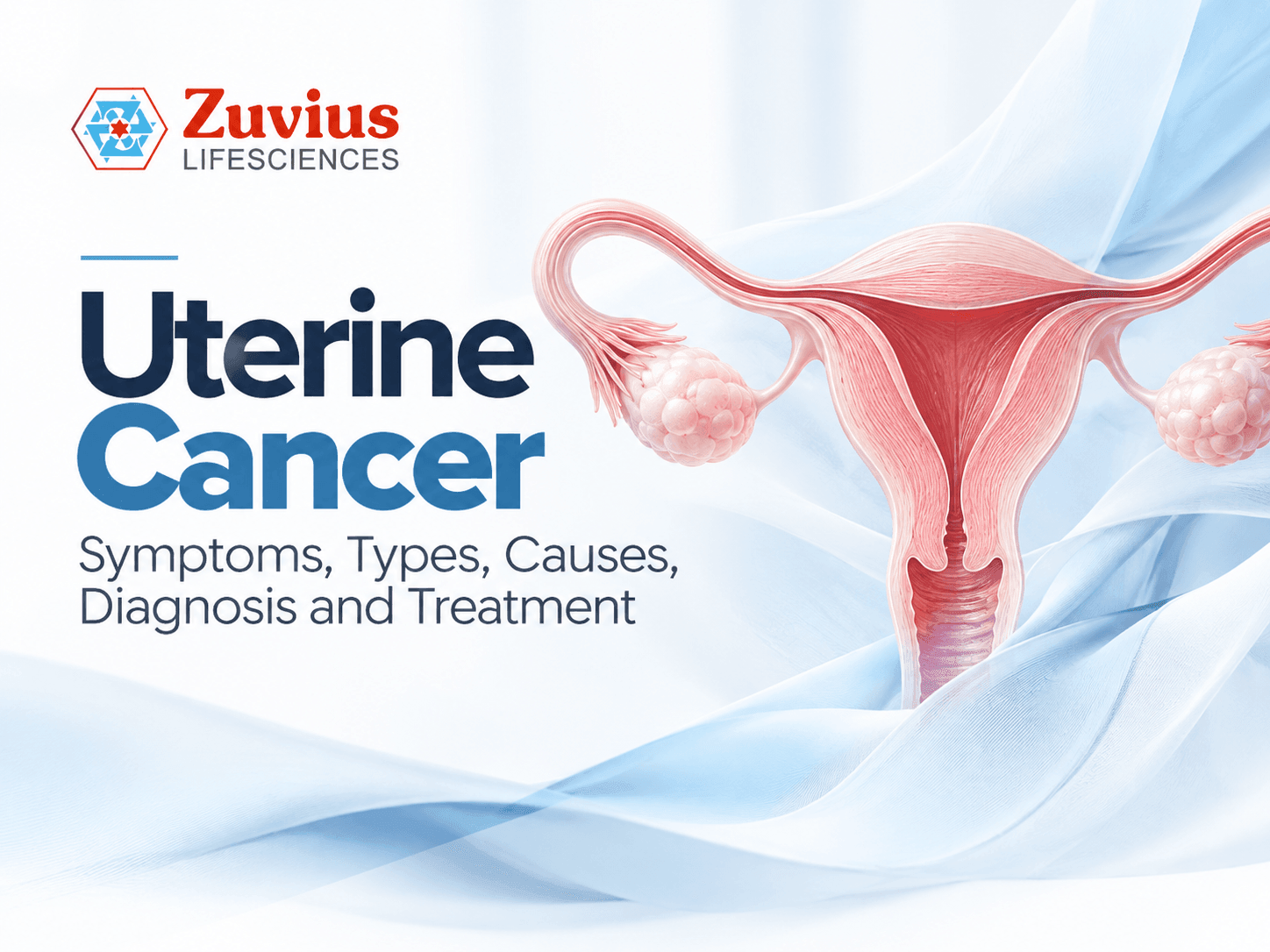
Uterine Cancer: Symptoms, Types, Causes, Diagnosis and Treatment
Uterine cancer occurs when abnormal cells develop in the uterus and multiply uncontrollably. It generally includes two main types: endometrial cancer and uterine sarcoma.